Tree Pruning vs. Trimming: What’s the Difference and Why It Matters
April 24, 2026
Maintaining healthy, safe, and visually appealing trees requires more than occasional care—it demands a clear understanding of proper tree maintenance techniques. Two of the most commonly used terms in arboriculture are tree pruning and tree trimming. While often used interchangeably, these practices serve distinct purposes and involve different approaches. Misunderstanding the difference can lead to improper care, which may harm tree health, reduce longevity, or even create safety hazards. For property owners and managers, knowing when and how to apply each method is essential for achieving optimal results.
In today’s landscape and tree care industry, precision and expertise play a critical role in maintaining trees that are both structurally sound and aesthetically pleasing. Pruning and trimming are not simply routine tasks; they are strategic processes guided by biology, seasonal timing, and long-term goals. Whether the objective is to enhance growth, improve safety, or refine appearance, understanding these differences ensures better decision-making. This blog explores the key distinctions between pruning and trimming, their unique benefits, and why choosing the right method at the right time truly matters.
Benefits of Proper Tree Maintenance
Enhanced Tree Health
Regular pruning removes harmful elements and promotes healthier growth by allowing nutrients to reach essential parts of the tree. This reduces the likelihood of disease and extends the lifespan of trees in various environments.
Improved Safety
Both pruning and trimming contribute to safer environments by removing weak or overhanging branches that could potentially fall. This minimizes the risk of falling limbs that could damage property or cause injury to individuals nearby.
Increased Property Value
Well-maintained trees enhance the overall appearance of a property, making it more attractive to visitors and potential buyers alike. Strategic trimming plays a key role in maintaining visual appeal and boosting long-term property value.
Better Sunlight and Airflow
Proper maintenance allows sunlight to reach lower branches and surrounding plants, supporting healthier growth throughout the landscape. Improved airflow reduces moisture buildup, which can prevent fungal growth and decay in dense tree canopies.
Cost Efficiency
Investing in regular maintenance reduces the likelihood of expensive emergency services caused by neglected tree conditions. Preventive care is always more cost-effective than dealing with major tree failures or structural damage.
Best Practices for Pruning and Trimming
Assess Tree Needs
Before taking any action, evaluate the condition and purpose of the tree carefully and thoroughly. Determine whether the goal is health improvement or aesthetic enhancement based on its current state and environment.
Use Proper Tools
Sharp, clean tools ensure precise cuts and reduce the risk of infection spreading between branches. Using the right equipment is essential for both pruning and trimming tasks to achieve safe and effective results.
Follow Correct Techniques
Avoid cutting too close to the trunk or leaving large stubs that can hinder healing. Proper cutting angles and locations promote faster healing and healthier regrowth over time with minimal stress.
Consider Seasonal Timing
Different tree species respond better to maintenance at specific times of the year depending on growth cycles. Understanding these cycles helps prevent unnecessary stress and supports long-term tree health and stability.
Avoid Overcutting
Removing too many branches at once can weaken a tree and hinder proper growth patterns. A balanced approach ensures long-term health, structural integrity, and stability in different environmental conditions.
Seek Professional Expertise
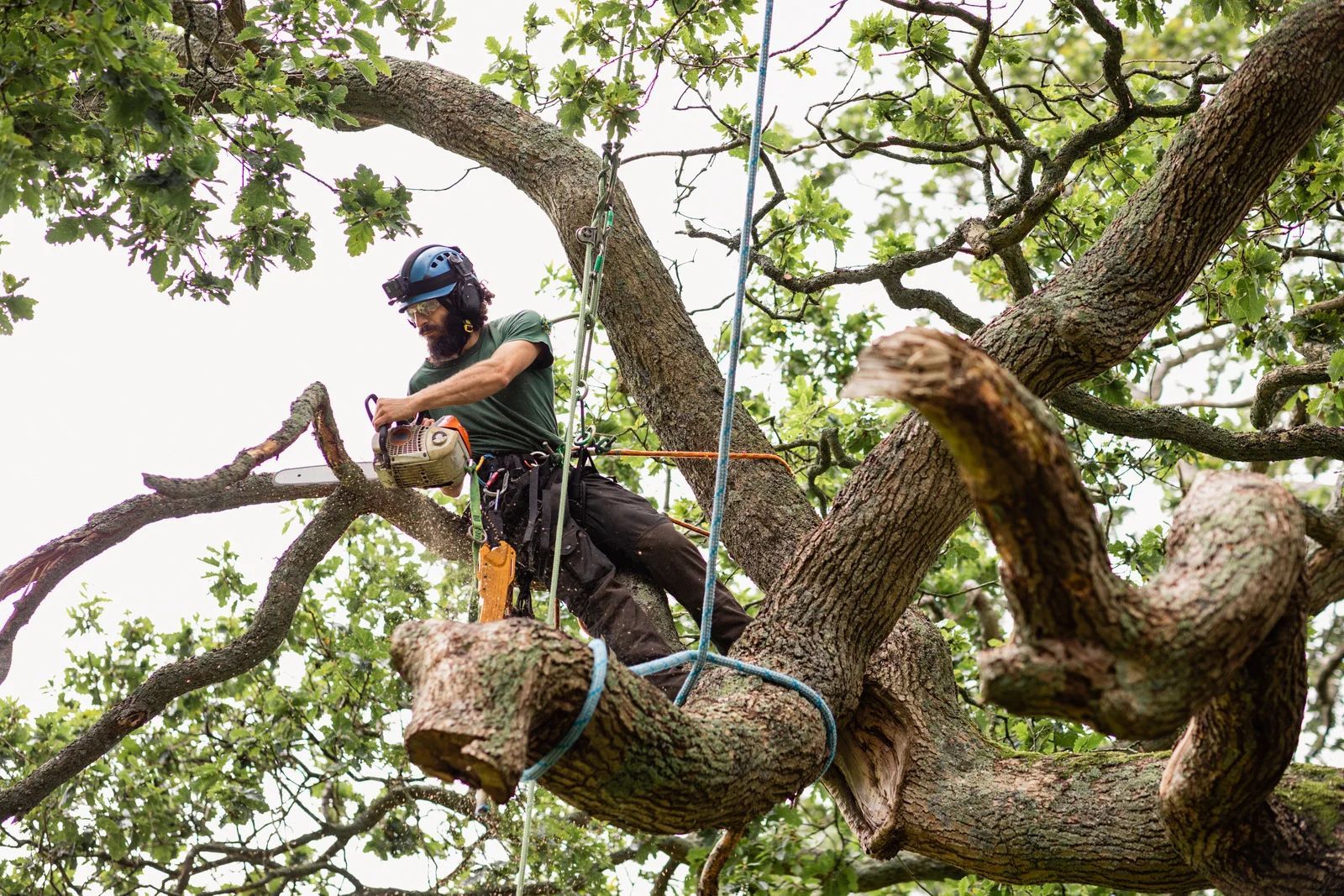
Complex tasks, especially pruning large or mature trees, require professional knowledge and hands-on experience. Expert guidance ensures that maintenance is carried out safely, efficiently, and effectively without unnecessary risks.
Tree pruning and trimming are essential practices that serve different yet complementary roles in maintaining healthy and visually appealing landscapes. Pruning focuses on strengthening tree structure, promoting growth, and preventing disease, while trimming ensures that trees remain neat, balanced, and suited to their surroundings. Understanding these distinctions allows for more effective tree care and helps avoid common mistakes that can lead to long-term damage.
Choosing the right approach at the right time is critical for achieving optimal results. By applying proper techniques, following seasonal guidelines, and prioritizing tree health, property owners can ensure that their trees thrive for years to come. Investing in informed maintenance not only enhances the beauty of outdoor spaces but also contributes to safety, sustainability, and long-term value.
Dedicated Tree Service Experts Committed to Excellence
When it comes to professional tree care, experience and precision make a measurable difference. At Altitude Tree Service, LLC, we bring 10 years of hands-on expertise in delivering high-quality tree services tailored to meet the unique needs of residential and commercial properties in Huntsville, Alabama. Our approach is rooted in industry best practices, ensuring that every pruning and trimming project supports both the health and appearance of your trees.
We understand that every tree requires a customized strategy. Our process begins with a detailed assessment to determine whether pruning, trimming, or a combination of both is the most effective solution. By prioritizing safety, structural integrity, and long-term growth, we help prevent potential hazards while enhancing the natural beauty of your landscape.
Our commitment to reliability, precision, and customer satisfaction sets us apart as a trusted authority in tree care. Whether maintaining ornamental trees or managing mature landscapes, we focus on delivering results that align with your goals. With a strong reputation built on consistency and expertise, we remain dedicated to providing dependable solutions that protect and enhance your outdoor environment.
Understanding Tree Pruning
Purpose and Definition
Tree pruning focuses on the selective removal of specific branches to improve a tree’s overall health, structure, and longevity. This method is rooted in arboricultural science and aims to guide natural growth patterns rather than simply altering appearance.
Health-Centered Approach
Pruning is primarily performed to remove dead, diseased, or damaged branches. Eliminating these elements prevents the spread of decay and allows the tree to redirect nutrients to healthier areas. This process supports stronger root systems and encourages balanced canopy development.
Structural Integrity and Growth Control
One of the key goals of pruning is to establish a stable structure, especially in younger trees. By removing weak or competing branches, we help create a strong central leader and evenly distributed limbs. This reduces the risk of breakage during storms or high winds.
Seasonal Timing and Techniques
Pruning is typically carried out during dormant seasons when trees are less vulnerable to stress. Techniques such as crown thinning, crown raising, and crown reduction require careful planning and precision. Improper cuts can lead to long-term damage, making expertise essential.
Real-World Application
For example, fruit-bearing trees benefit significantly from pruning. Removing overcrowded branches improves sunlight penetration and air circulation, resulting in higher-quality yields. Similarly, pruning mature trees can extend their lifespan and prevent costly structural failures.
Understanding Tree Trimming
Purpose and Definition
Tree trimming is primarily focused on maintaining the shape, size, and appearance of trees in residential and commercial landscapes. While it may also contribute to overall health, its main objective is aesthetic enhancement and routine maintenance for long-term visual appeal.
Aesthetic and Functional Benefits
Trimming helps create a neat, uniform look by controlling overgrowth and maintaining desired shapes across various tree species and designs. This is particularly important for ornamental trees and landscaped properties where visual appeal plays a significant role in overall property presentation.
Managing Overgrowth
Overgrown branches can obstruct pathways, block sunlight, or interfere with nearby structures such as roofs, fences, and utility lines. Regular trimming ensures that trees remain proportionate to their surroundings and do not pose inconvenience or hazards to people and property.
Frequency and Simplicity
Unlike pruning, trimming is often performed more frequently and does not always require deep technical analysis or complex decision-making. However, it still demands proper technique to avoid damaging the tree or causing uneven growth patterns over time.
Real-World Application
In residential settings, trimming is commonly used to maintain hedges, decorative trees, and street-facing landscapes for a polished exterior appearance. It enhances curb appeal and ensures that outdoor spaces remain organized, attractive, and inviting throughout the year.
Key Differences Between Pruning and Trimming
Objective and Focus
The most fundamental difference lies in purpose and intended outcomes for tree care. Pruning prioritizes tree health and structural development, while trimming emphasizes appearance and maintenance for consistent visual results. Both are valuable but serve distinct roles in professional tree care practices.
Timing and Frequency
Pruning is typically done less frequently and during specific seasons to minimize stress and encourage proper healing. Trimming, on the other hand, can be performed more regularly to keep growth under control and maintain consistent aesthetics throughout the year.
Techniques and Precision
Pruning requires a higher level of expertise due to its impact on tree biology and long-term development. Each cut must be deliberate and strategically placed for optimal results. Trimming is generally less complex but still requires attention to detail to achieve balanced and uniform results.
Impact on Tree Growth
Pruning directly influences how a tree grows, shaping its long-term structure and overall strength. Trimming primarily manages external growth without significantly altering internal development, focusing more on maintaining shape and appearance rather than structural changes.
Risk and Consequences
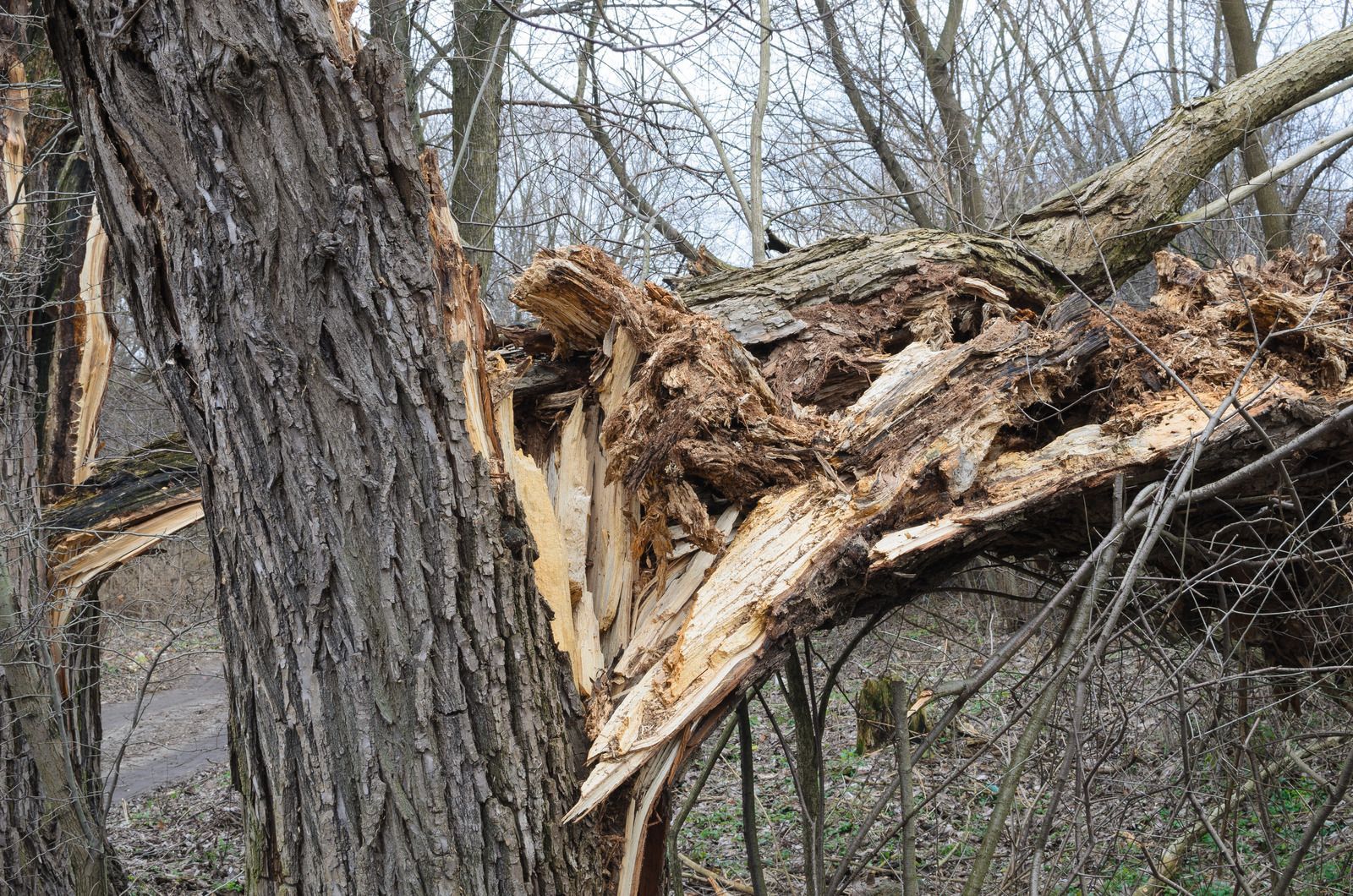
Improper pruning can lead to severe damage, disease, or even tree death if done incorrectly. Incorrect trimming may result in uneven growth or reduced visual appeal over time. Understanding these risks highlights the importance of using the right method in every situation.