Tree Pruning 101: What It Is and How It Keeps Trees Strong & Healthy
March 18, 2026
Tree care is more than just watering and occasional fertilization. One of the most critical practices for maintaining the health, structure, and longevity of trees is proper pruning. Tree pruning, when done correctly, not only enhances the aesthetic appeal of your landscape but also contributes significantly to the overall safety and vitality of your trees. Understanding the fundamentals of pruning allows homeowners, property managers, and tree care enthusiasts to make informed decisions that prevent disease, promote robust growth, and reduce the risk of structural failure.
The relevance of tree pruning extends far beyond appearances. In urban and suburban environments, poorly maintained trees can pose serious hazards, from falling branches damaging property to weakened trees that fail during storms. Additionally, strategic pruning encourages trees to grow in a strong, sustainable manner, supporting fruit production, flower development, and overall resilience. Whether managing a small yard or a commercial property, knowing the principles and benefits of tree pruning ensures that your trees remain a healthy, long-lasting investment. This guide explores everything you need to know about tree pruning, from its purposes and techniques to its challenges and best practices.
Benefits of Pruning for Tree Health
Disease Prevention
Pruning infected or decaying branches prevents pathogens from spreading to other parts of the tree. For example, removing cankered or fungal-infected limbs stops infections from compromising the trunk or nearby branches.
Enhanced Growth and Vitality
Strategically removing weak or competing branches allows the tree to allocate energy more efficiently. By directing nutrients and water to strong branches, pruning promotes faster growth and a healthier overall structure.
Improved Fruit and Flower Production
For fruit-bearing trees, selective pruning encourages the development of flowers and fruiting branches. Removing non-productive or overcrowded limbs allows sunlight to reach inner branches, boosting fruit quality and yield.
Safety and Risk Mitigation
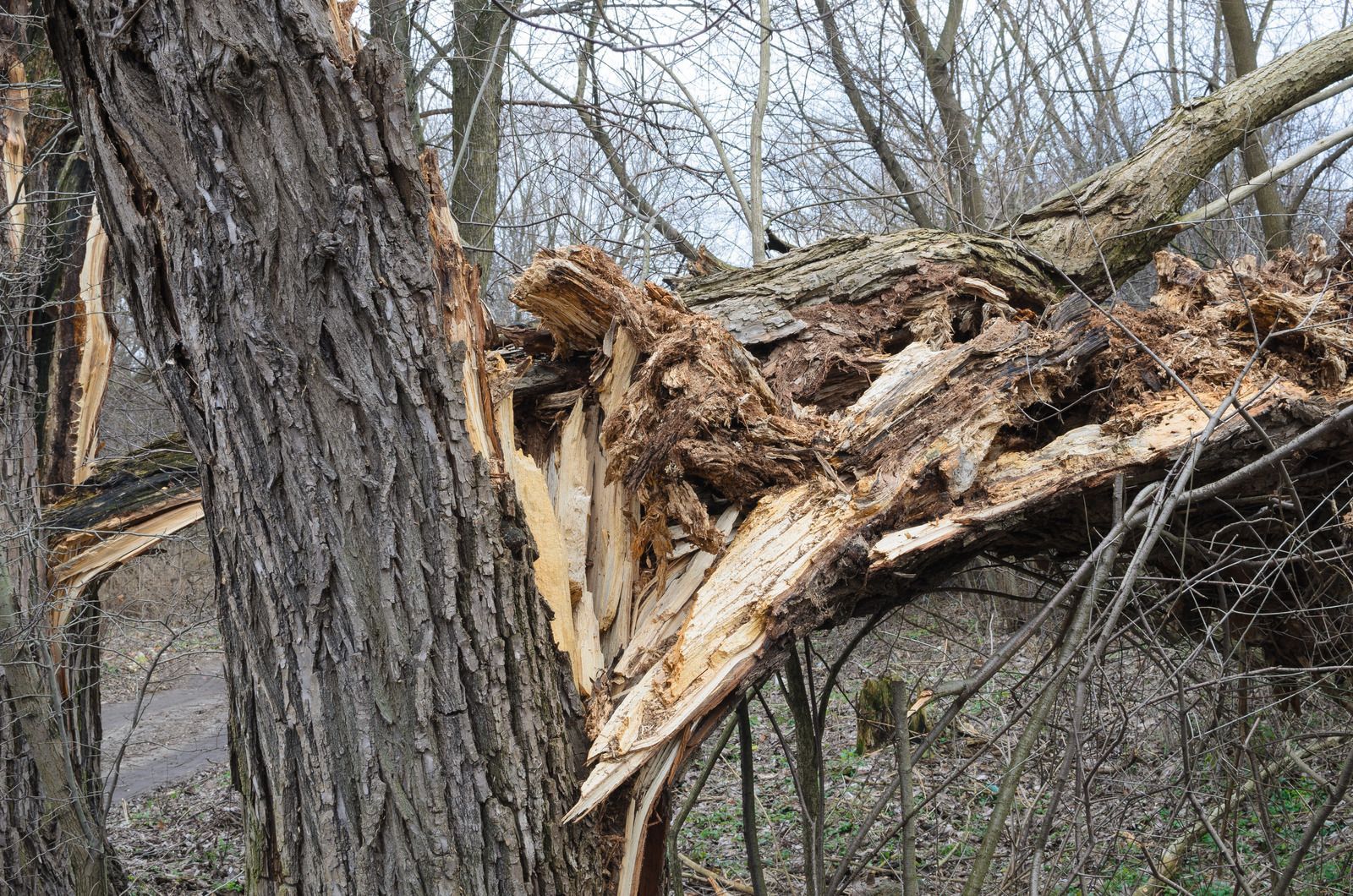
Pruned trees are less likely to suffer from branch failures or structural collapse during storms, heavy snow, or high winds. Removing hazardous limbs protects people, pets, and property while ensuring the tree remains stable.
Challenges and Risks of Improper Pruning
Common Mistakes
- Topping – Cutting off the top of a tree can result in weak regrowth and long-term structural issues.
- Over-Pruning – Removing too much foliage reduces photosynthesis, weakening the tree.
- Incorrect Cuts
– Improper cuts may damage the branch collar or bark, creating entry points for disease.
Species-Specific Considerations
Different tree species respond uniquely to pruning. For instance, oaks are susceptible to certain pathogens if pruned during their growing season, while maples may bleed sap excessively if pruned at the wrong time. Awareness of these biological nuances is essential for successful pruning outcomes.
Environmental and Site Factors
Soil quality, water availability, and exposure to wind or sunlight all influence how a tree recovers from pruning. Ignoring these factors can lead to stress, reduced growth, or disease susceptibility.
Professional Expertise
While homeowners can perform minor pruning, larger trees or complex cuts often require professional knowledge, specialized tools, and safety measures. Incorrect pruning can compromise tree health, safety, and even property value.
Best Practices for Effective Tree Pruning
Using the Right Tools
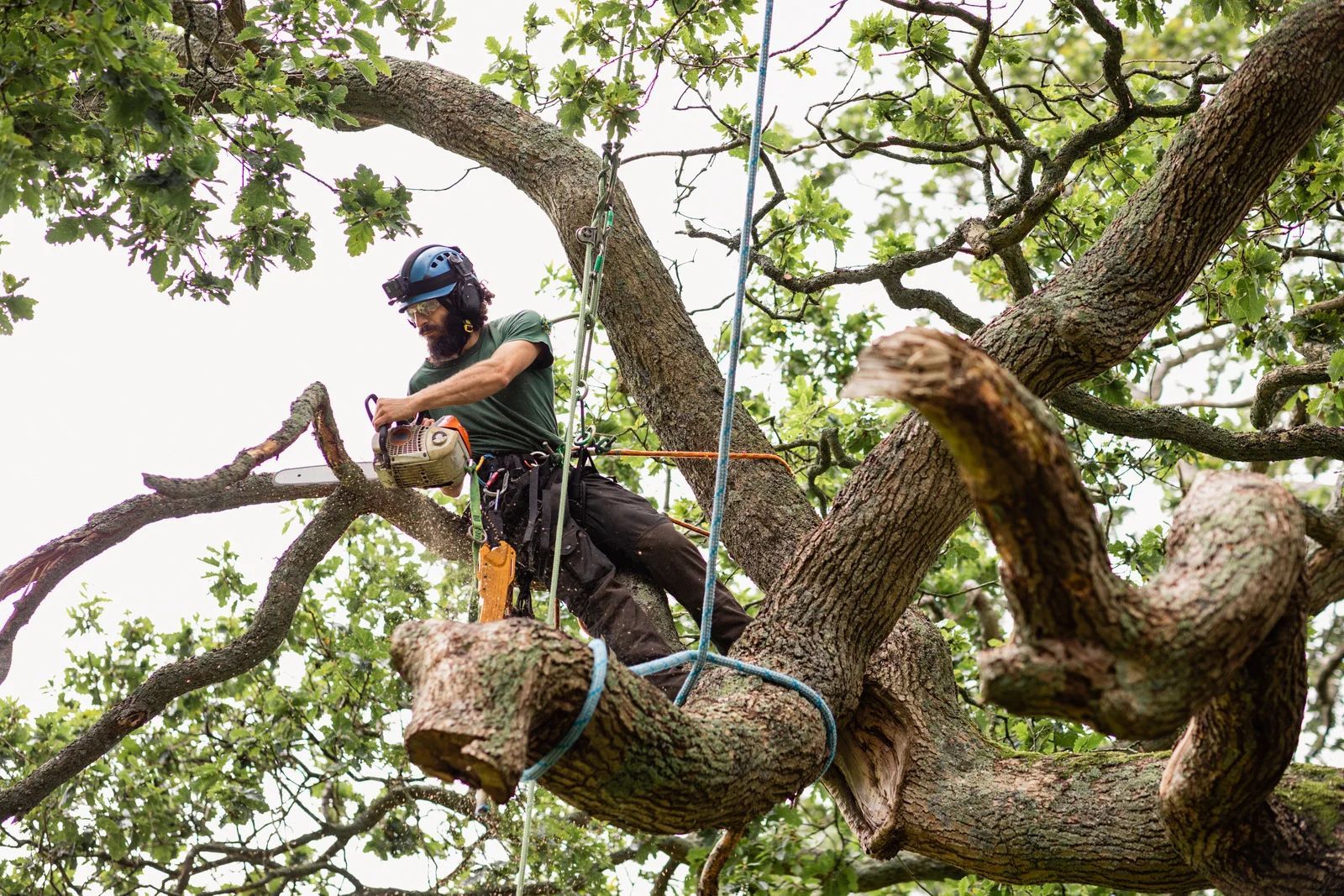
Proper pruning tools, such as hand pruners, loppers, and pruning saws, ensure clean cuts that promote quick healing. For larger branches, professional arborists may use pole saws, chainsaws, or climbing equipment.
Making Proper Cuts
- Cut at the Branch Collar – The branch collar contains specialized tissue that helps the tree heal efficiently.
- Avoid Flush Cuts – Cutting too close to the trunk can damage the tree’s protective tissue.
- Angle Cuts Correctly – A slight angle prevents water accumulation, reducing rot risk.
Timing and Frequency
- Dormant Season – Best for most species to minimize sap loss and stress.
- Summer – Useful for controlling growth and removing diseased branches.
- Frequency
– Minor pruning can be done annually; major structural pruning is often performed every 3–5 years depending on species and growth rate.
Monitoring and Follow-Up Care
After pruning, trees should be monitored for signs of stress, infection, or weak regrowth. Mulching, proper watering, and fertilization support recovery and long-term health.
Consulting Certified Arborists
Professional arborists provide expert assessments, species-specific guidance, and safe pruning practices. Their expertise ensures that pruning benefits outweigh any potential risks.
Real-World Applications and Case Studies
Residential Landscapes
Homeowners often prune ornamental trees to maintain curb appeal and prevent hazards. Strategic crown thinning and raising enhance beauty while protecting driveways, roofs, and walkways.
Urban Forestry
City planners and urban forestry programs rely on pruning to manage street trees, reduce interference with power lines, and maintain public safety. Proper pruning ensures long-term sustainability of urban tree populations.
Commercial Properties
Businesses benefit from well-maintained trees that improve aesthetics, provide shade, and reduce liability risks. Regular pruning is an investment in both safety and property value.
Agricultural and Orchard Management
Fruit orchards employ pruning techniques to maximize fruit yield and maintain tree health. Techniques like crown reduction and selective thinning improve sunlight exposure, air circulation, and harvest efficiency.
Professional Tree Services: Maintaining Safety and Vitality
At Altitude Tree Service, LLC, we understand that healthy trees require more than occasional trimming—they need knowledgeable, professional care. Serving Huntsville, Alabama, for over 10 years, our team specializes in comprehensive tree services, including expert pruning, to ensure your trees grow strong and thrive for decades. We combine industry expertise, advanced tools, and proven techniques to assess each tree’s unique needs, implement safe and effective pruning strategies, and monitor post-care recovery.
Our focus is on promoting tree health, preventing disease, and enhancing both safety and aesthetics across residential and commercial properties. Choosing us means partnering with a trusted, experienced arborist team dedicated to delivering exceptional results. We are committed to safeguarding your landscape investment, maintaining beautiful, healthy trees, and providing guidance on proper
tree care
practices. From routine pruning to complex structural adjustments, we bring professional precision and personalized service to every project, helping Huntsville property owners enjoy thriving, resilient trees year-round.
Understanding Tree Pruning
What Tree Pruning Really Means
Tree pruning is the deliberate removal of specific parts of a tree, such as branches, buds, or roots, to improve its structure, health, and appearance. Unlike casual trimming, pruning is a targeted, strategic practice aimed at influencing how a tree grows, how it responds to environmental stressors, and how it interacts with its surroundings.
Purposes of Pruning
- Health Maintenance – Removing diseased, damaged, or dead branches prevents the spread of infections and promotes the tree’s natural defense mechanisms.
- Structural Integrity – Pruning encourages strong branch attachment and reduces the likelihood of split limbs or weak branch unions.
- Aesthetic Appeal – Well-pruned trees maintain attractive shapes and balanced forms that complement landscapes.
- Safety – Eliminating hazardous branches reduces the risk of injury to people and property during storms or high winds.
Pruning vs. Trimming
While the terms are often used interchangeably, trimming usually refers to shaping or cutting back foliage primarily for aesthetics, whereas pruning is strategic and health-focused. Recognizing this distinction ensures that pruning objectives are achieved rather than merely cosmetic changes.
The Science Behind Healthy Pruning
Understanding Tree Growth Patterns
Trees grow by producing new cells at the tips of branches and roots. The way a tree naturally expands can influence which branches become dominant and how the canopy spreads. Pruning leverages this natural growth pattern by directing energy to healthy branches and encouraging balanced development.
The Role of Apical Dominance
Apical dominance is the natural tendency of a tree’s main stem to suppress the growth of lateral branches. Pruning can manipulate this phenomenon, stimulating growth in underdeveloped areas or controlling overly aggressive branches. For instance, cutting a dominant branch can encourage side branches to grow, creating a fuller canopy and improving structural integrity.
Seasonal Considerations
Timing plays a pivotal role in pruning effectiveness. Many trees benefit from dormant-season pruning, typically in late winter or early spring, when energy is concentrated in the roots rather than the foliage. Conversely, certain species or pruning goals may necessitate summer pruning to control growth or remove diseased sections. Understanding species-specific responses is crucial for optimizing tree health.
Types of Tree Pruning
Crown Thinning
Objective: Reduce canopy density to increase air circulation and sunlight penetration.
Benefits: Improves leaf health, reduces risk of branch failure during storms, and minimizes fungal infections caused by poor airflow.
Application: Ideal for large shade trees in urban or residential settings. Selective removal of secondary branches ensures the overall shape remains natural.
Crown Raising
Objective: Remove lower branches to provide clearance for pedestrians, vehicles, or structures.
Benefits: Enhances safety and accessibility, improves visibility, and reduces the chance of conflicts with infrastructure.
Application: Common in street trees, commercial properties, and landscapes where clearance is necessary.
Crown Reduction
Objective: Decrease the overall size of a tree without compromising its natural form.
Benefits: Reduces wind resistance, prevents potential property damage, and manages growth near buildings or power lines.
Application: Pruning must be strategic; improper reduction can stress the tree or cause weak regrowth.
Deadwood Removal
Objective: Eliminate dead, dying, or diseased branches.
Benefits: Minimizes safety hazards, prevents disease spread, and allows healthy branches to thrive.
Application: Can be performed anytime; particularly important for older or structurally compromised trees.
Pollarding and Other Advanced Techniques
Pollarding involves cutting back main branches to encourage dense, manageable growth. While less common, it can be useful in urban spaces where controlled canopy size is necessary. This technique requires precise timing and regular maintenance to prevent long-term damage.