Why Tree Trimming Matters: Health, Safety & Curb Appeal Benefits for Your Yard
January 30, 2026
Trees are more than just aesthetic additions to your property—they are living, breathing assets that contribute to the health, value, and safety of your yard. Well-maintained trees not only enhance curb appeal but also provide environmental benefits, such as improving air quality, offering shade, and supporting local wildlife. However, many homeowners underestimate the importance of regular tree trimming, often viewing it as a purely cosmetic task rather than a crucial aspect of tree care. Neglecting proper trimming can lead to weakened branches, disease, and even hazardous situations that could affect your property and family. Overgrown or poorly maintained trees can also interfere with nearby structures, block natural sunlight, and reduce the overall aesthetic harmony of your landscape. By understanding the importance of routine trimming, homeowners can proactively address potential issues before they escalate. Tree care is not merely about appearance—it is an investment in the longevity and vitality of your property.
Beyond appearance,
tree trimming plays a pivotal role in long-term tree health and property safety. Proper pruning techniques remove damaged or diseased limbs, reduce the risk of structural failure, and encourage strong growth patterns. Trimming also allows trees to thrive by increasing sunlight penetration, improving air circulation, and preventing overcrowding of branches. In addition, strategic pruning can shape trees to complement your landscape design, highlight key features, and maintain balance with other plants. Homeowners benefit from reduced maintenance costs over time, as healthy, well-trimmed trees are less prone to pests and disease. For those looking to protect both their investment and their family, recognizing the multifaceted benefits of tree trimming is the first step toward a safer, more beautiful yard. By integrating regular trimming into your property care routine, you ensure your trees remain vibrant, resilient, and an enduring asset to your home.
Seasonal and Environmental Considerations
Trimming for Seasonal Health
Certain times of year are better suited for tree trimming depending on the species. Late winter or early spring is typically ideal because trees are dormant, minimizing stress and allowing for a vigorous growth period in the upcoming season. Proper timing reduces the risk of disease and encourages rapid recovery.
Managing Environmental Stress
Environmental factors such as heavy rain, strong winds, or extreme heat can weaken trees over time. Proactive trimming mitigates these risks by removing vulnerable limbs and shaping the tree to better withstand harsh conditions. For example, thinning the canopy reduces wind resistance, preventing storm damage.
Supporting Wildlife and Pollination
While trimming focuses on tree health and safety, it can also benefit local ecosystems. Maintaining a healthy structure ensures that trees continue to support birds, pollinators, and small mammals by providing stable branches and safe nesting areas. Proper pruning does not remove critical habitats but rather promotes overall resilience of the tree within its environment.
Real-Life Scenario
A homeowner with oak trees near their driveway noticed branches sagging under heavy rainfall. Without trimming, the weight risked breaking limbs onto cars. By scheduling seasonal pruning, the branches were thinned and supported, preventing damage and maintaining the oak trees’ natural shape for wildlife use.
Common Challenges and Best Practices
Understanding Tree Species and Growth Patterns
Not all trees require the same trimming approach. Each species has unique growth habits, and improper pruning can harm the tree or lead to weak structural formation. Researching species-specific needs or consulting an arborist ensures that pruning methods are appropriate and effective.
Avoiding Over-Pruning
Excessive trimming can be detrimental, removing too many leaves and branches, which limits photosynthesis and slows growth. Best practices recommend removing no more than 25% of a tree’s canopy at a time, focusing on weak, diseased, or strategically placed limbs.
Professional Versus DIY Trimming
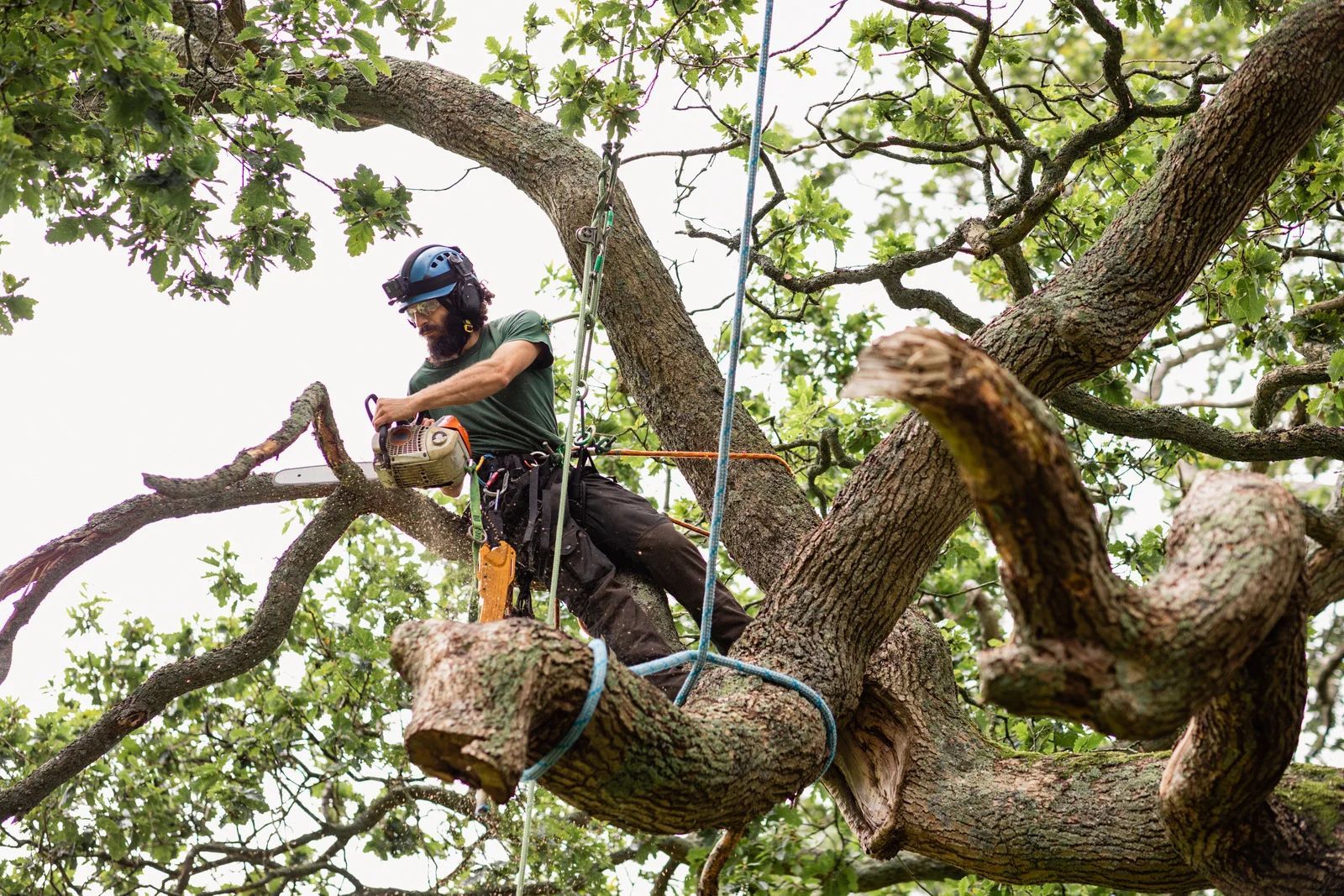
While minor trimming can be performed by homeowners, large or high-risk trees require professional expertise. Professionals bring the right tools, safety equipment, and knowledge of local regulations, ensuring that trimming is safe and maximizes long-term benefits.
Long-Term Maintenance Plans
Regular trimming should be part of a proactive tree care strategy rather than a reactive measure. Annual inspections and scheduled pruning help maintain tree health, prevent damage, and preserve aesthetic value, reducing unexpected costs and hazards in the long run.
Trusted Tree Service Professionals Enhancing Property Value
Tree trimming is an essential aspect of responsible property management, offering benefits that extend far beyond aesthetics. From promoting healthy growth and preventing disease to enhancing safety and boosting curb appeal, proper pruning plays a pivotal role in maintaining vibrant, resilient trees. Homeowners who invest in regular trimming not only protect their property and loved ones but also ensure that their landscape remains visually appealing and structurally sound. Understanding seasonal timing, species-specific needs, and safe pruning techniques empowers homeowners to make informed decisions and safeguard their investment.
For residents of Huntsville, Alabama, Altitude Tree Service, LLC
brings a decade of trusted expertise to every tree care project. Our team specializes in comprehensive trimming services designed to improve tree health, enhance safety, and elevate your property’s curb appeal. With a commitment to professional, efficient, and reliable service, we combine modern techniques with years of hands-on experience to ensure your trees thrive. Whether addressing routine maintenance, storm preparedness, or emergency pruning, Altitude Tree Service, LLC
provides dependable solutions tailored to your yard. Our dedication to quality and customer satisfaction makes us the go-to choice for homeowners seeking expert tree care in the Huntsville area.
Promoting Tree Health Through Pruning
Understanding Tree Anatomy and Growth
Every tree has a unique structure that supports its growth and overall health. Branches compete for sunlight and nutrients, while roots anchor the tree and absorb water. Over time, some branches may become weak, damaged, or diseased, affecting the tree’s overall vitality. Proper tree trimming targets these issues, helping to maintain a balanced canopy and encouraging healthy development.
Removing Diseased and Damaged Limbs
One of the primary health benefits of trimming is the removal of compromised limbs. Dead or diseased branches can quickly spread pathogens, leading to fungal infections or infestations. By pruning these areas early, homeowners can prevent the deterioration of the tree and minimize the likelihood of costly interventions in the future.
Encouraging Optimal Growth Patterns
Selective pruning promotes structural integrity by encouraging outward growth and reducing overcrowding. Branches that grow too close together can rub against one another, causing wounds that invite disease. Pruning ensures that each limb has space to grow without obstruction, creating a resilient framework that can withstand storms and environmental stress.
Real-World Example
Consider a maple tree with dense branches and a few weak limbs. Left untrimmed, the tree becomes vulnerable to wind damage, and the shaded, overcrowded branches may harbor fungal growth. By carefully trimming, the tree receives proper sunlight and airflow, reducing disease risk and supporting robust growth.
Enhancing Property Safety
Reducing the Risk of Falling Branches
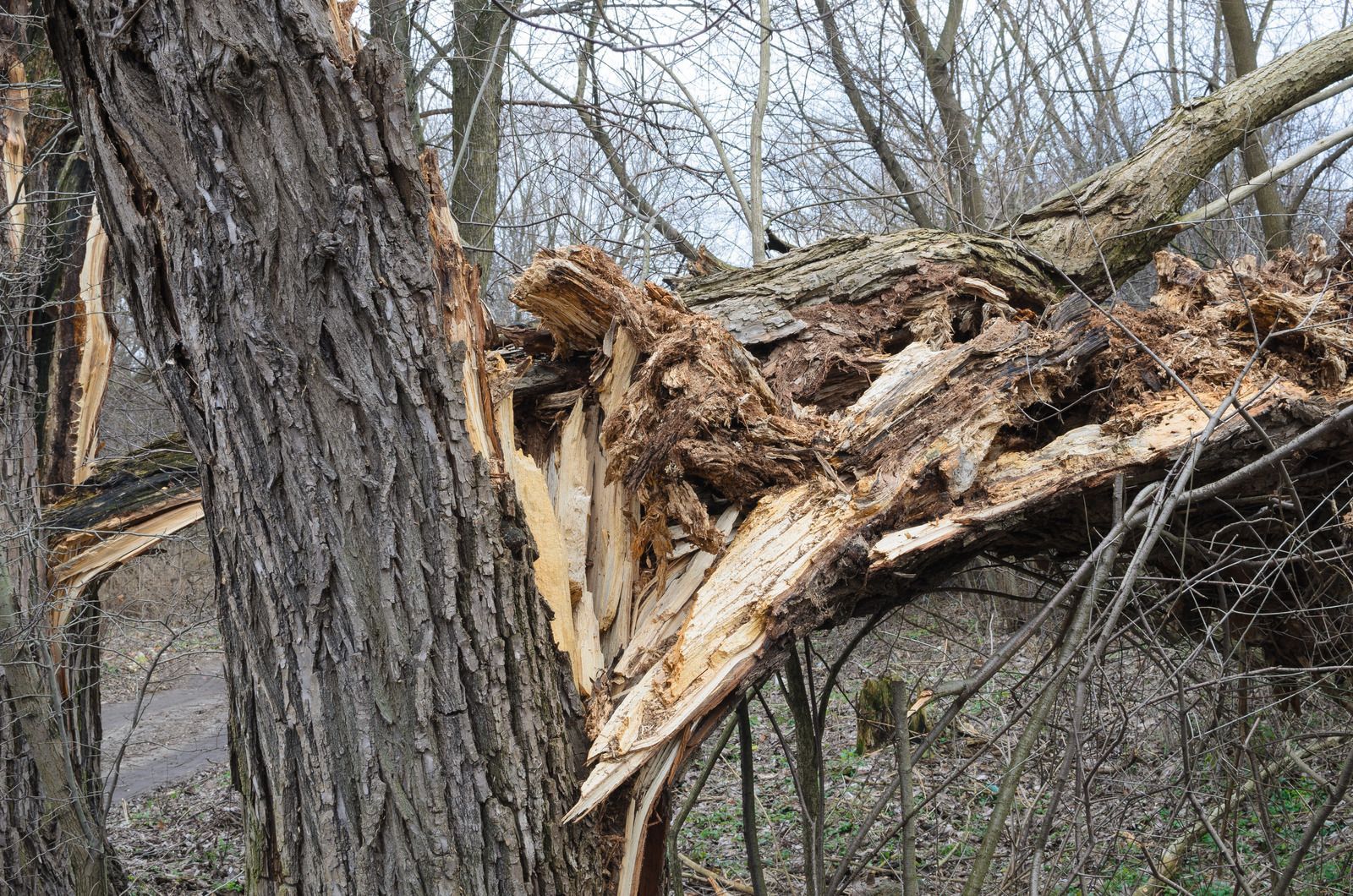
Falling branches are a common cause of property damage and personal injury. Trees with heavy, untrimmed limbs can drop unexpectedly during storms or high winds. Trimming weak or overextended branches prevents accidents and protects both your home and your family.
Preventing Electrical and Structural Hazards
Branches that grow too close to power lines, roofs, or fences pose serious safety hazards. Even small limbs can interfere with electrical wiring or damage roofing materials during storms. Routine trimming keeps branches at a safe distance from infrastructure, reducing the risk of fire hazards and costly repairs.
Improving Visibility and Accessibility
Overgrown trees can obstruct sightlines on driveways, pathways, and roadways near your property. Regular trimming enhances visibility, making your yard safer for pedestrians, drivers, and children at play. Additionally, clearing dense growth around homes and gardens provides easier access for maintenance and emergency situations.
Best Practices for Safety-Oriented Trimming
Homeowners should focus on removing weak, broken, or low-hanging branches. Consulting a professional arborist ensures that trimming is performed safely and in accordance with local regulations, particularly when trees are near utility lines or busy streets. Proper equipment and expert knowledge reduce risks and ensure that trees are pruned correctly without compromising stability.
Boosting Curb Appeal and Property Value
Creating a Well-Groomed Appearance
Trimmed trees enhance the overall look of your landscape by providing clean, symmetrical shapes and clear lines. A tidy yard instantly improves curb appeal, making your home more inviting to visitors, neighbors, and potential buyers.
Complementing Landscape Design
Tree trimming is an essential component of landscape design. By maintaining a balanced canopy and emphasizing desirable shapes, trees can highlight gardens, pathways, and other architectural features. Strategic pruning allows homeowners to integrate trees seamlessly into their overall landscape plan.
Increasing Property Value
Homes with well-maintained trees are often appraised at higher values. Healthy, attractive trees signal that the property is cared for, which can appeal to buyers and enhance marketability. In contrast, overgrown or neglected trees may deter potential buyers due to safety concerns or the anticipated costs of maintenance.
Expert Insight
Landscape architects and arborists often emphasize the role of trimming in elevating a property’s visual appeal. Professional pruning ensures that trees complement rather than dominate the space, creating a balanced environment that enhances outdoor aesthetics.