Pine Dropping Limbs or Browning From the Top? Southern Pine Beetle Signs
July 20, 2026
Quick Answer: A pine that browns from the top down or starts dropping limbs is usually under attack from bark beetles, and the fade in the needles is the late sign, not the first one. Look for popcorn-sized pitch tubes in the bark crevices, fine reddish boring dust collecting in the bark and at the base, small round exit holes, and heavy woodpecker work on the trunk. Peel a strip of bark and the tunnel pattern underneath names the beetle: winding S-shaped galleries mean southern pine beetle. Once the needles turn red, that pine is already dead and becomes a falling hazard within months.
You walk out to the back fence on a hot North Alabama afternoon and the loblolly you have looked at for twenty years is not the same color it was in the spring. The top third has gone a dull yellow-green, almost gray in the light. There is a scatter of small dead branches in the grass that you did not put there. Down at the trunk, a fine reddish dust has collected in the bark crevices and along the root flare like someone spilled cinnamon.
That combination is not drought, and it is not a bad fertilizer year. That is the signature of pine bark beetles working under the bark, and by the time the crown starts to change color, the insects have usually been inside the tree for weeks. The needles are the last part of the story, not the first.
Here is what an arborist actually looks at when a pine starts fading from the top, how to tell which beetle you are dealing with, and why the timeline on a beetle-killed pine matters more than most homeowners expect.
What Can Be Saved and What Has to Come Down
Honest triage matters here, because the wrong call costs you more than one tree.
Fading or red pines come down
A pine with a fading or red crown, S-shaped galleries, and fresh boring dust is already lost, and it is also a nursery. Removing it promptly gets the developing brood off your property before the next wave emerges and moves to the pines beside it.
Vacated trees are a safety problem, not an insect problem
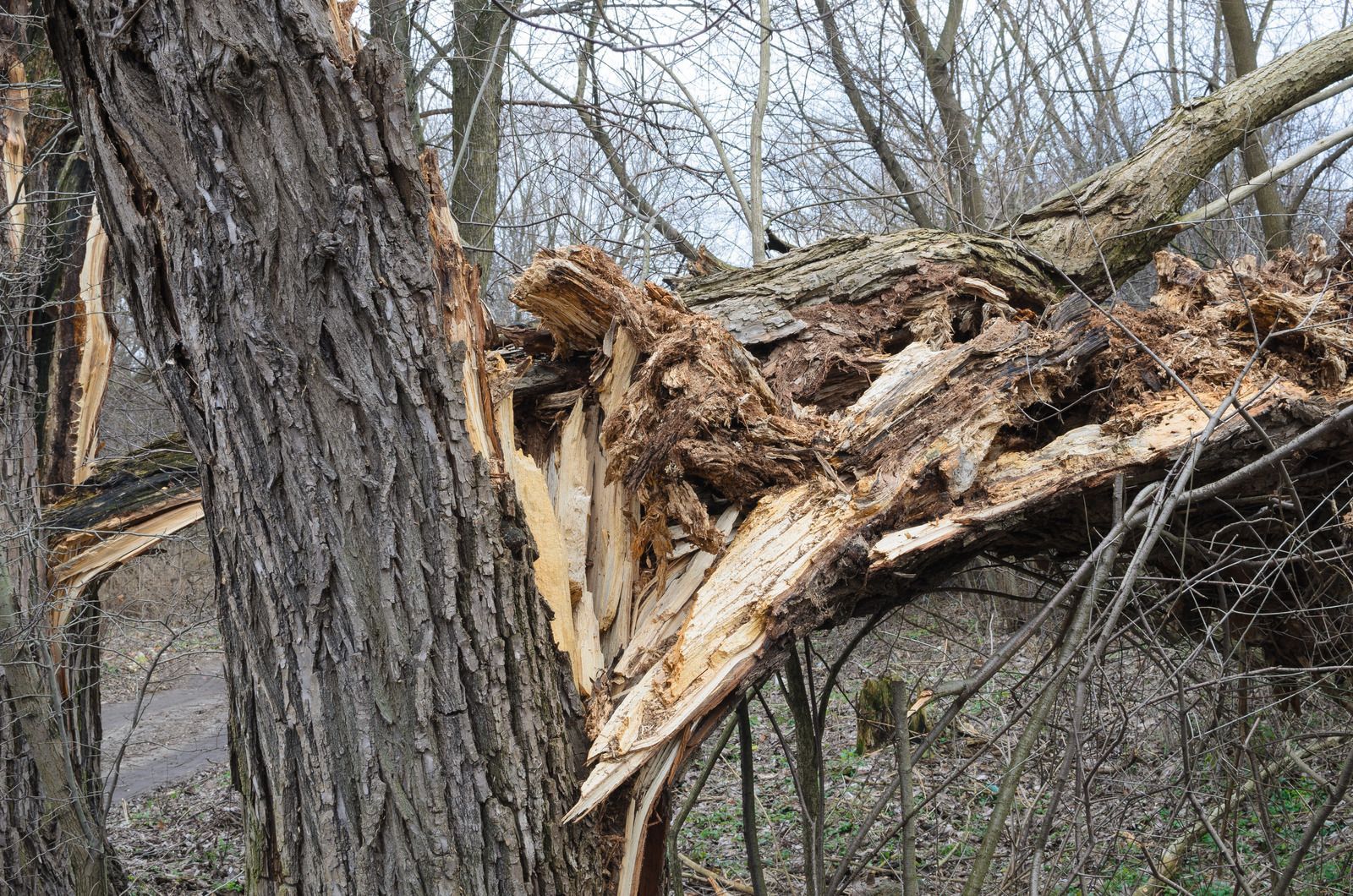
If the bark peels off in sheets, the needles are gone, and the trunk is peppered with exit holes and white ambrosia sawdust, the beetles have already left. Nothing you do to that tree affects the infestation now. It stays on the removal list purely because a dry, dead pine near a target is dangerous.
Green pines around the infestation deserve a close look
In a true southern pine beetle spot, the attack pushes outward into adjacent healthy trees. The pines standing next to a dead one need their trunks checked for fresh pitch tubes and frass, because a fresh attack shows up on the bark long before the crown changes.
Healthy pines get protected, not treated after the fact
Once the crown fades, no spray or drench brings a tree back. What actually works is keeping the remaining pines vigorous: watering deeply during dry stretches, protecting roots from compaction and construction damage, avoiding mower and trimmer wounds on the trunk, and thinning out crowded, overtopped trees so the survivors have room to grow.
Frequently Asked Questions
My pine is browning at the top but green below. Is that beetles?
Very often, yes. The southern pine engraver stays almost entirely in the treetop and thin upper branches, killing the crown while lower limbs look fine. Treat a top-down fade as a beetle question until something rules it out.
Can I save a pine that has already turned red?
No. Red or brown needles mean the phloem is girdled and the water-conducting tissue is blocked, and that damage is not reversible. The decision shifts from saving the tree to removing it safely before the wood breaks apart.
What is the reddish sawdust in the bark cracks and around the base?
That is frass, the boring dust beetles push out as they chew through bark. It is one of the earliest, most reliable signs of attack, and in a dry summer it may be the only sign showing.
Will the beetles move into my other pines?
They can. The southern pine beetle is aggressive and expands outward from an infested tree into neighboring pines, killing healthy trees as the spot grows. Leaving an infested pine standing gives the next generation a launching point.
Is spraying my pines a good way to prevent this?
Spraying a large pine's exterior is largely ineffective, because the insecticide cannot reach beetles already under the bark. Prevention comes from tree health: deep watering in drought, protecting roots, and avoiding trunk wounds do far more.
How fast do I need to act on a dead pine near my house?
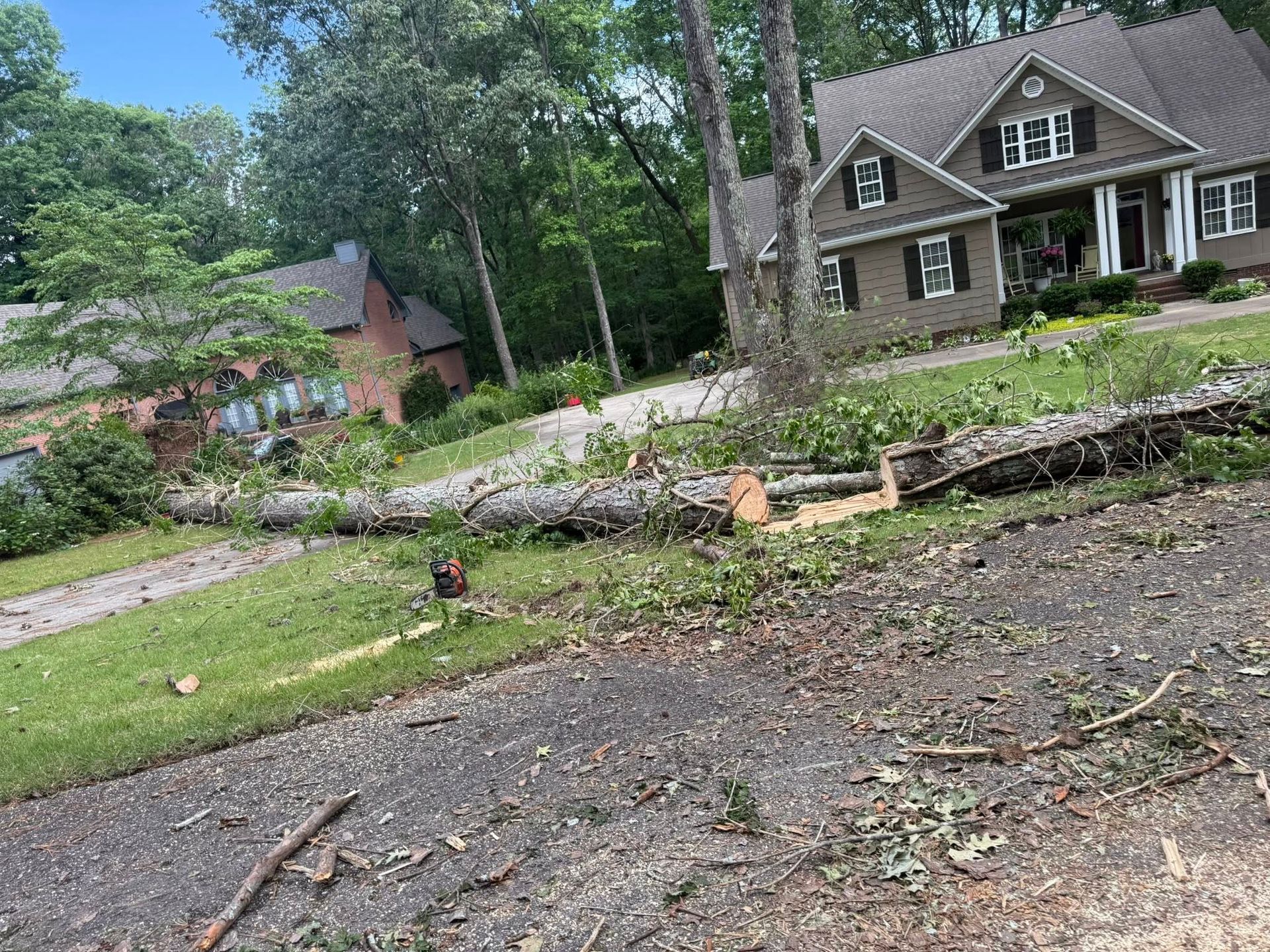
Sooner than most think. A dead pine loses structural strength steadily, and within roughly six to ten months large limbs, the top, or the trunk can fail without warning. A pine near your roof deserves priority.
What the Color Change in the Crown Actually Means
Pines do not brown from the top for no reason. The fade follows a predictable order, and where it starts tells you something.
The fade sequence is green, yellow, red, brown
Bark beetles feed on the phloem, the living layer under the bark, girdling it as they tunnel. Many also carry blue-stain fungi that plug the sapwood. Cut off from water, the needles fade from green to yellow to red to brown.
Red needles mean the tree is gone
This is the hardest part for homeowners to accept. A pine whose needles have turned red or brown cannot be saved, treated, or watered back to health. The girdling is complete, so the question becomes how soon the dead trunk turns hazardous.
Where the fade starts is a clue to the culprit
A crown dying from the top down while lower limbs stay green points to the southern pine engraver, confined to the treetop. A whole-tree fade, or one starting high on the trunk, is more typical of southern pine beetle spreading up and down.
Dropping limbs is part of the same picture
As the inner bark dies in the upper stem and branches, small limbs lose their supply and let go. Dead branch drop in a pine that is also changing color is not a pruning issue. It signals something feeding under the bark.
The Trunk Signs That Confirm Beetles
The crown tells you a pine is in trouble. The trunk tells you why. Walk up to the tree and look closely at the bark from the base to as high as you can see.
Pitch tubes
When beetles bore in, a moist pine pushes back with resin that hardens into a lump called a pitch tube. Southern pine beetle tubes look like popcorn in the bark crevices, while engraver tubes sit reddish-brown on the flat plates instead.
Reddish boring dust
In a dry summer, a stressed pine may lack the moisture to make pitch tubes at all. The only external sign is frass, the fine reddish-brown sawdust beetles push out, collecting in bark crevices and ringing the base, and easy to miss.
Entry and exit holes
The entry holes are small, roughly the diameter of pencil lead. When the brood matures, new adults chew out and leave clean round holes scattered like birdshot. A trunk full of exit holes means the beetles have already left for neighboring pines.
Woodpeckers and flaked bark
Woodpeckers hunt beetle larvae under the bark and flake the outer bark off an infested trunk, leaving light patches. A sudden burst of woodpecker attention is worth a look, as is white, fluffy sawdust at the base from ambrosia beetles.
Tip: Do not judge a pine by fall color alone. It is normal for the older, inner needles to yellow and drop in autumn, and for a bottom limb or two to die out. Genuine beetle trouble shows up in the upper crown, in the newest needles, and it comes with pitch tubes or reddish frass on the trunk. If the trunk is clean, you are probably looking at a normal needle shed.
Reading the Galleries Under the Bark
If you can safely reach a patch of trunk, pry off a piece of loose bark with a hatchet or a stout screwdriver and look at the pattern etched into the inner bark and sapwood. The tunnels are the most reliable identification there is, and each beetle carves a different signature.
S-shaped, winding tunnels mean southern pine beetle
The galleries wander back and forth across the grain in long curving S shapes. This one matters most, because the southern pine beetle can overwhelm a healthy pine. It attacks in mass, spreading tree to tree in a growing spot rather than scattered.
Straight tunnels shaped like Y, H, or I mean engraver beetles
These run vertically with the grain in clean geometric patterns. Engravers are opportunists, hitting trees already weakened by drought, storm, or crowding. The smallest lives in the treetop, which is why a pine can die from the top down while the trunk shows nothing.
Wide, sticky, frass-packed patches low on the trunk mean black turpentine beetle
These galleries are broad and irregular rather than narrow tunnels, staying in the bottom few feet. This beetle is drawn to fresh resin from wounds, so it turns up on pines nicked by mowers or equipment. It rarely kills a healthy tree alone.
One tree can host more than one
It is common to find engravers in the top, southern pine beetle in the mid-trunk, and turpentine beetles at the base of the same pine. Pulling the bark reveals whether the aggressive one is present, which changes how urgently surrounding pines need attention.
Catching the Fade Before It Spreads
A pine that browns from the top or starts shedding limbs is not asking for water. It is telling you something is already living under its bark, and the color change is the tail end of a process that started weeks earlier. The trunk holds the evidence: popcorn-like pitch tubes in the bark crevices, fine reddish frass in the cracks and at the base, buckshot exit holes, and woodpeckers working the bark. Peel a piece of bark and the tunnels underneath name the insect, and whether it is the aggressive one that will move on your other pines. Across Alabama, tens of thousands of pines are lost each year when outbreaks build, and most of it starts with a single stressed tree that nobody looked at closely. Get the trunk read early, and you protect the pines still standing around it.
Have a fading or
limb-dropping pine inspected before the beetles move next door — A pine browning from the top with pitch tubes or reddish frass on the trunk is under active attack, and a dead pine near your house becomes a falling hazard within months.
Altitude Tree Service, LLC
checks the crown, the bark, and the galleries underneath to identify what is in the tree, removes infested and dead pines safely, and advises on protecting the healthy ones still standing. With 10
years serving Huntsville, Alabama, fully licensed and insured, and senior and veteran discounts, the crew can assess your pines and take down what has to come down. Reach out to schedule a tree health assessment.