What to Expect During a Professional Tree Removal Service
June 29, 2026
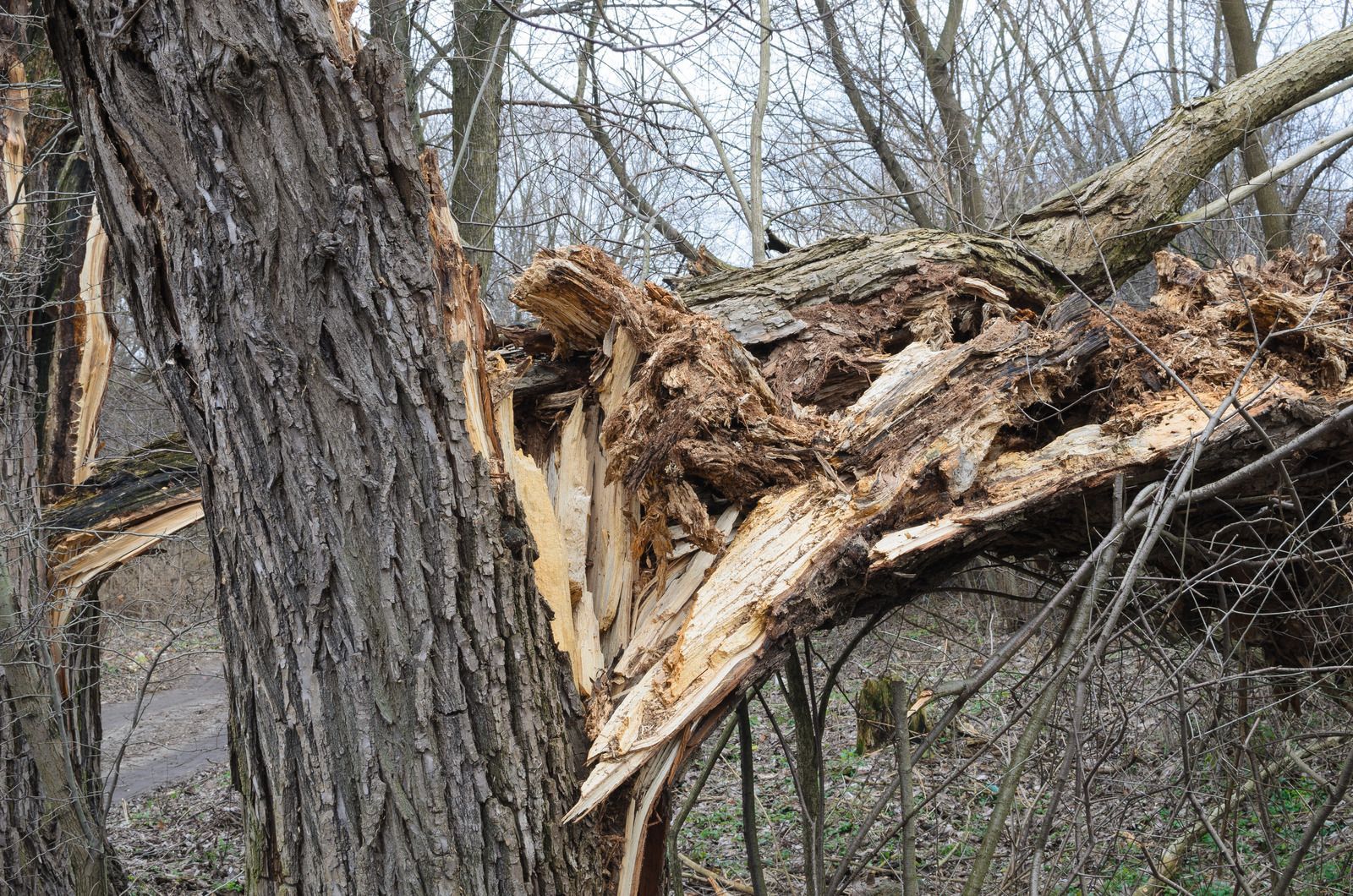
You have been staring at the same tree for weeks. Maybe it dropped a heavy limb in the last storm, or it leans a little more toward the house every time the wind picks up. The bark is peeling in sheets, mushrooms have crept up the base, and you have started parking on the far side of the driveway just in case. That nagging feeling that something needs to happen is usually right.
Here is the single most important thing to know before you call anyone. A tree that has to come down near a structure is not a weekend project, and the order of operations matters more than raw muscle. A safe removal is planned backward from where every piece will land. Over years of taking down oaks, pines, and sweetgums across North Alabama yards, we have learned that the trees that look the most dangerous are sometimes the easiest to handle, while the quiet ones hiding internal rot cause the real trouble. Knowing what
professional tree removal looks like from the first walkthrough to the final cleanup helps you tell a careful crew from a risky one.
The Stump, the Cleanup, and the Yard After
Once the tree is down, two questions remain: the stump and the mess. Grinding the stump is a separate step from removal, and it is worth doing because a leftover stump invites termites and sprouts new growth from the roots. We grind several inches below grade so you can plant grass or set a new bed over the spot. For cleanup, expect us to rake the work zone, blow the sawdust off your patio, and haul away the wood and brush unless you want the logs kept for firewood. A good crew leaves your yard looking better than the brush pile suggests it should. You will see a circle of fresh chips where the stump was and some flattened grass that springs back within a week or two. What you should not see is rutted soil, gouged bark on nearby trees, or limbs left in the fence line.
What Makes Tree Removal Different in North Alabama
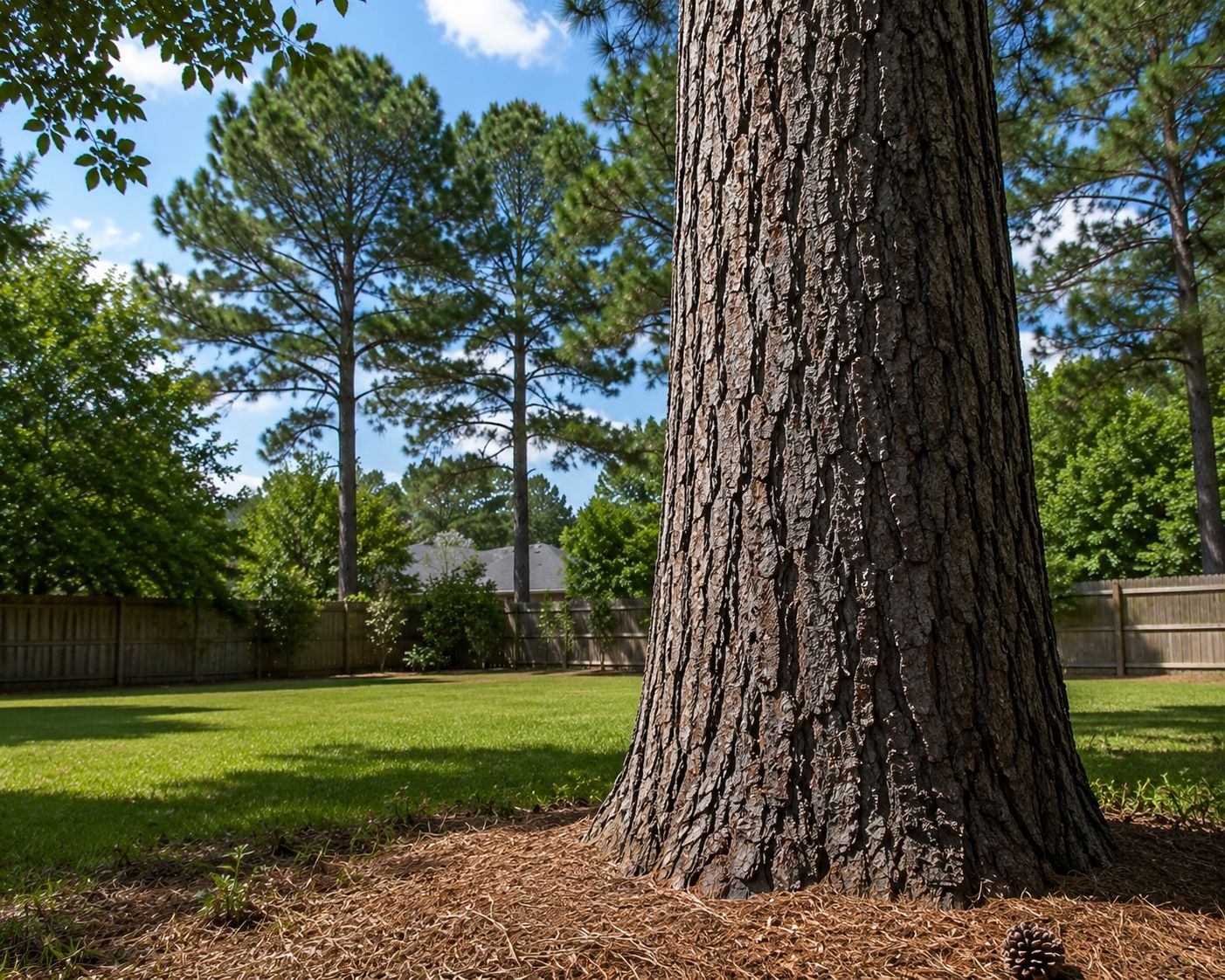
Tree removal here is shaped by two things: our storms and our soil. The Tennessee Valley takes a beating from spring thunderstorms and the occasional ice load in winter, and both put trees under stress they were never built for. Water oaks, which grow all over older Huntsville neighborhoods, are notorious for looking healthy right up until a saturated trunk fails in a storm. Our red clay holds water after heavy rain, and a tree in soaked clay loses its grip at the roots, which is why we see so many leaners and full uprootings the week after a downpour. Loblolly pines snap higher up rather than tipping over, scattering tops across yards. Late summer drought weakens canopies, and then the first big front of the season finishes the job. A tree that would be a slow decline elsewhere can become an urgent removal here on a much shorter clock.
Getting Your Property Ready Before We Arrive
A little prep on your end makes the whole job faster and safer. Clear your driveway and the area around the tree so we have room to stage equipment and drop sections. Move anything you care about out of the fall path, including potted plants, grills, and lawn ornaments, because mats protect turf but not breakables. Unlock the gate to the backyard and tell us about anything buried we cannot see, like an irrigation line, a dog fence wire, or a septic lid hiding under the grass. If you want the logs or the mulch kept, say so before we start cutting. None of this takes long, but it removes the small surprises that slow a crew down.
Frequently Asked Questions
How long does a tree removal take?
Most single tree removals wrap up in one day, often within a few hours of setup. Larger trees crowded against a house, or jobs that need a crane or a lift to reach the canopy, can stretch into a second day. Weather, gate access, and how much room we have to drop sections all shift the schedule, so plan for a little flexibility either way.
Is it safe to remove a tree myself?
Removing a tree near a house, fence, or power line is dangerous and sends people to the hospital every single year. Once a trunk is leaning, rotted, or tangled in lines, stop and call a pro before someone gets hurt. Small saplings out in the open are fine to handle yourself, but anything tall, heavy, or close to a structure is worth leaving to us.
Why do so many trees fail after Huntsville storms?
Our red clay holds water, and after heavy spring rain a saturated root plate loses its grip, so trees that looked perfectly fine tip or lean overnight. Water oaks common in older Huntsville neighborhoods are especially prone to failing once a single storm loads the weakened trunk. Add an ice load or a strong front, and a quiet decline turns into an urgent removal fast.
Do I need to grind the stump too?
Grinding is optional but smart. A leftover stump can sprout new shoots, draw termites toward your home, and gets harder to pull the longer it sits in the ground. We grind a few inches below grade so you can plant grass or build a fresh bed right over the spot. If you would rather keep the stump as a seat or feature, just tell us.
What happens to all the wood and debris?
Everything gets chipped on site and hauled away unless you want some of it kept. Brush and small limbs become mulch you can spread on beds, and larger logs can stay cut to length for firewood if you ask before we start. By the end of the job, your yard should look raked, blown clean, and clear, not wrecked or rutted from the heavy work.
Local Tree Professionals Who Treat Your Property Right
The core of a safe removal never changes. Plan the job backward from where every piece must land, and respect the trees that hide their damage on the inside. In our corner of North Alabama, saturated clay and a hard storm season turn a slow decline into an urgent job faster than most homeowners expect, which is why a careful eye matters here. When that tree finally needs to come down, Altitude Tree Service, LLC
has spent 10
years handling exactly these jobs across Huntsville, Alabama. Reach out for a walkthrough before the next storm makes the decision for you.
What Professional Tree Removal Starts With
Every safe removal starts with a walk around your property, not a chainsaw. Before we quote anything, we look at where the tree wants to fall on its own, which is rarely where you assume. We check the lean, the weight of the canopy, and the health of the trunk by sounding it with a mallet. A hollow thud tells us the wood inside has rotted, and that changes the whole plan. We map out the targets first: the roof, the fence, the service drop to your house, your neighbor's shed. Then we plan the drop zone and the rigging points working backward from those targets. In a typical Huntsville backyard hemmed in by other homes, there often is no clean spot to fell a 60 foot tree in one piece, so the tree comes down in sections from the top instead.
Setting Up the Work Zone on the Day Of
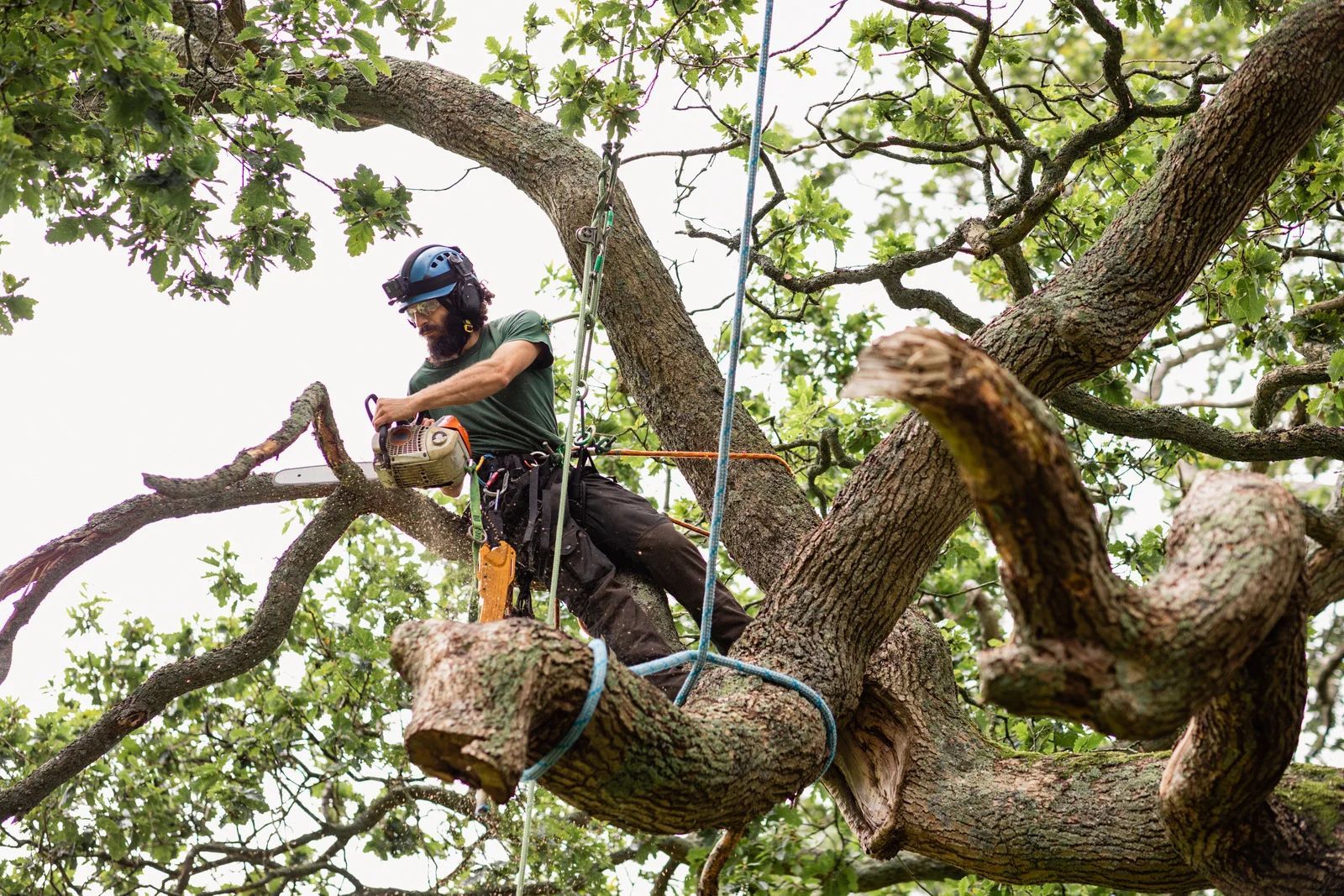
The day of removal begins with setup, and it usually takes longer than people expect. We rope off a work zone wide enough to clear falling sections, move vehicles and patio furniture out of range, and lay protective mats over soft turf so heavy wood does not crater your yard. If the tree sits near the line running to your house, we keep a clear buffer and never rig over an energized wire. A groundsman stays on the ground the entire time, calling out movement and keeping the area clear while the climber works above. You do not need to be home, but if you are, we will ask you to stay inside and away from the windows facing the work. Pets go indoors. Setup is the part most homeowners underestimate, and it is exactly the part that keeps a routine job from turning into a damaged roof.
How the Tree Actually Comes Down
There are two ways a tree comes down, and the right one depends on space. When a wide open field sits in the fall path, we fell the whole tree at once with a hinge cut that controls direction within a few degrees. That is the fast version, and it is rare in town. Far more often we climb or use a lift and dismantle the tree from the top down. The climber removes limbs first, then takes the trunk in manageable lengths, lowering each piece on ropes so nothing free falls. Picture peeling a tree apart from the crown to the base. This sectional method is slower and takes more skill, but it is the only safe choice when a sweetgum is growing three feet off your back porch. The pieces get cut, fed to the chipper, and turned into mulch on site, which keeps the load light enough to wheel out without tearing up your lawn.