5 Signs Your Tree Should Be Removed Before It Becomes Dangerous
May 16, 2026
Trees are valuable assets to any property, offering shade, visual appeal, and environmental benefits. However, when a tree becomes compromised, it can quickly shift from being an asset to a serious liability. Structural weaknesses, disease, or environmental stress can make trees unstable, increasing the risk of falling branches or complete collapse. In residential and commercial settings alike, this can lead to property damage, personal injury, or costly emergency removal situations. Recognizing early warning signs is essential for maintaining both safety and landscape integrity.
Tree removal is often seen as a last resort, but in many cases, it is the most responsible and proactive decision. Ignoring signs of decline can allow problems to worsen, making removal more complex and hazardous over time. Property owners benefit from understanding when intervention is necessary and why professional evaluation plays a critical role. By identifying key indicators of structural failure or decay, it becomes possible to act before a tree becomes dangerous. This blog explores five critical signs that suggest a tree should be removed, helping ensure safety while preserving the long-term health and usability of outdoor spaces.
4. Root Damage and Soil Disturbance
Importance of a Healthy Root System
Roots anchor a tree and provide essential nutrients and water. When roots are damaged, the tree’s stability and health are compromised. Root issues are particularly dangerous because they are often hidden below ground.
Common Causes of Root Damage
Construction activities, soil compaction, and changes in drainage patterns can damage roots. Excavation near a tree can sever critical root structures, reducing the tree’s ability to remain stable.
Warning Signs
Signs of root damage include leaning, exposed roots, and soil upheaval around the base. Cracks in the ground or lifting soil can indicate that the root system is failing.
Environmental Factors
Excessive moisture or drought conditions can also weaken roots. Saturated soil reduces grip, making trees more likely to topple, while prolonged drought can cause roots to shrink and lose strength.
Example
A tree located near a newly constructed driveway begins to lean slightly, and the soil around its base appears disturbed. This suggests that root damage has occurred, increasing the likelihood of failure.
Expert Recommendations
Avoiding construction near trees and maintaining proper soil conditions can prevent root damage. When root issues are severe, removal becomes necessary to eliminate safety risks.
5. Proximity to Structures and Infrastructure
Risk to Property and Utilities
Trees growing too close to buildings, power lines, or underground utilities can become hazardous over time. Even healthy trees can pose risks if their size and location create potential conflicts.
Overhanging Branches
Branches extending over roofs or driveways increase the risk of damage during storms. Leaves and debris can clog gutters, while heavy limbs may break and fall.
Interference with Power Lines
Trees near power lines present a serious hazard, including the risk of outages or electrical fires. In many cases, removal is the safest and most practical solution.
Limited Space for Growth
Trees planted in confined spaces may develop structural issues as they mature. Restricted root systems and limited canopy space can lead to instability and poor health.
Real-World Scenario
A tree planted close to a house decades ago has grown significantly, with branches now extending over the roof and roots affecting the foundation. Removing the tree prevents long-term structural damage and reduces maintenance concerns.
Best Practices
Strategic planting and regular maintenance help prevent these issues. When a tree outgrows its space or threatens infrastructure, removal is often the most responsible choice.
Recognizing when a tree should be removed is essential for maintaining a safe and functional outdoor environment. Structural damage, extensive deadwood, disease, root instability, and proximity to structures are all clear indicators that a tree may no longer be safe. Addressing these issues early helps prevent accidents, reduces property damage, and ensures that landscapes remain both attractive and secure.
Proactive tree management is not just about aesthetics—it is a critical aspect of property safety and long-term planning. By understanding the warning signs and taking timely action, property owners can avoid costly emergencies and protect both people and assets. Professional evaluation plays a key role in determining the best course of action, ensuring that decisions are informed, effective, and aligned with safety standards.
Expert Tree Service Ensuring Safety and Property Protection
When tree safety becomes a concern, working with a reliable and experienced provider makes all the difference. At Altitude Tree Service, LLC, we bring 10 years of hands-on expertise in the tree service industry, delivering solutions that prioritize safety, efficiency, and long-term value. Based in Huntsville, Alabama, we understand the unique environmental conditions that affect tree health and stability in the region.
Our approach focuses on thorough assessments, identifying risks early, and recommending the most appropriate course of action—whether that involves strategic pruning or complete removal. We emphasize precision and care in every project, ensuring that surrounding property and landscapes remain protected throughout the process.
We are committed to providing dependable service that property owners can trust. From addressing hazardous trees to maintaining overall landscape health, our goal is to deliver results that enhance safety and peace of mind. With a strong foundation of experience and a dedication to quality, we continue to serve as a trusted authority for professional tree care solutions.
1. Visible Structural Damage and Instability
Cracks, Splits, and Leaning Trunks
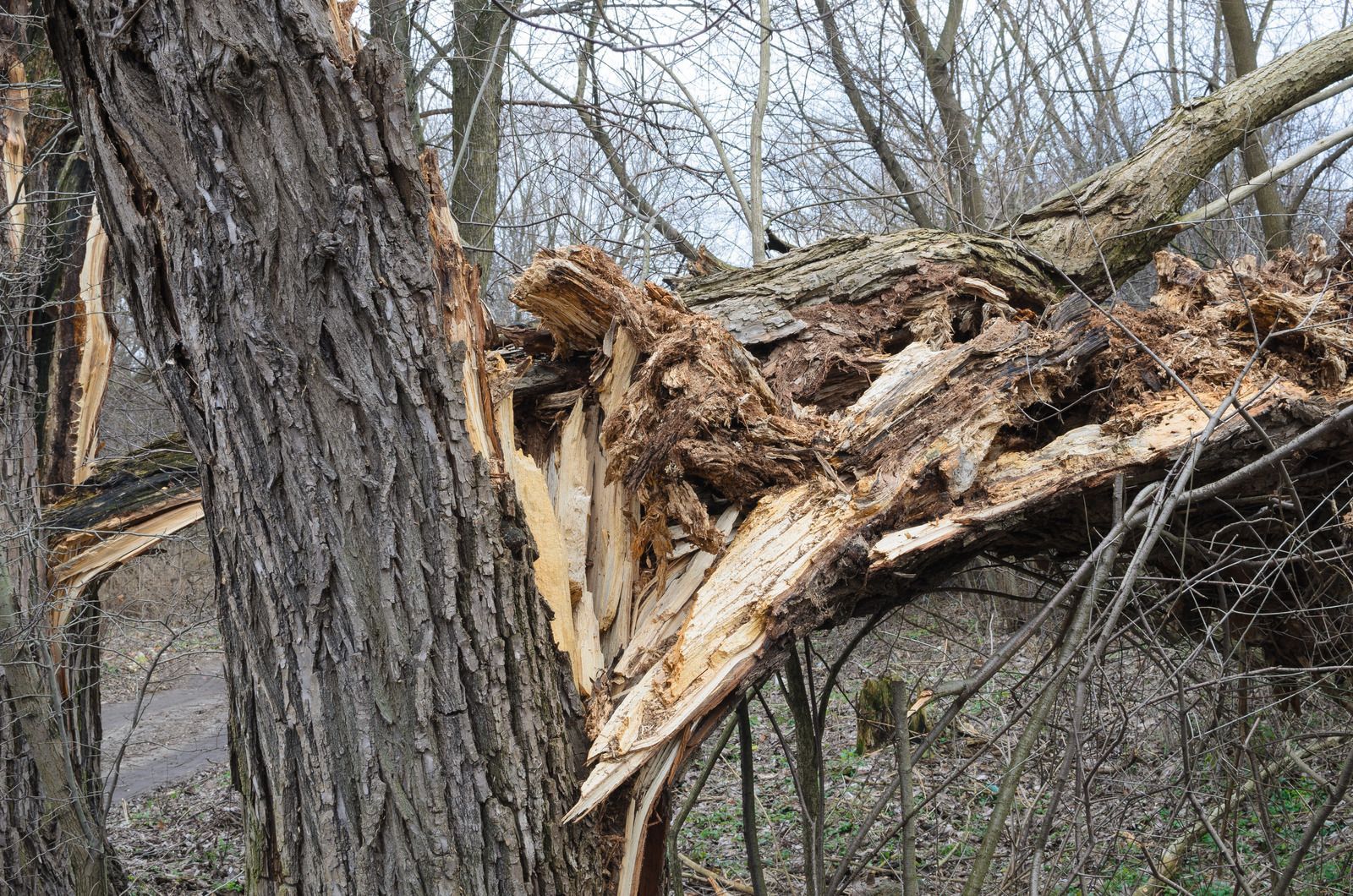
One of the most obvious signs that a tree may need removal is visible structural damage. Large vertical cracks, deep splits in the trunk, or multiple stems growing at weak angles can significantly compromise stability. When a tree begins to lean suddenly—especially after a storm—it often indicates root failure or internal structural weakness.
A slight natural lean is not always concerning, but a new or increasing tilt should never be ignored. Trees that lean toward structures, driveways, or high-traffic areas pose an immediate hazard. The risk increases further during high winds or heavy rainfall, when already weakened support systems can fail completely.
Weak Branch Attachments
Branches that are poorly attached to the trunk, particularly those forming narrow “V-shaped” angles, are more prone to breaking. These weak unions often split under pressure, leading to falling limbs that can cause injury or damage.
Real-World Scenario
Consider a large tree positioned near a home that begins to show cracks along the trunk. Over time, these cracks widen, and after a storm, the tree leans slightly toward the roof. This situation represents a high-risk condition where proactive removal prevents potential structural damage and ensures occupant safety.
Best Practices
Regular inspections, especially after severe weather, are essential. When structural issues are identified, consulting professionals ensures accurate assessment and safe removal if necessary. Acting early prevents emergencies and reduces overall costs.
2. Extensive Dead or Dying Branches
Identifying Deadwood
Dead branches are a clear indication that a tree is struggling. These branches often appear brittle, lack leaves during growing seasons, and may easily snap. While occasional deadwood is normal, extensive dieback throughout the canopy signals a deeper issue.
Impact on Tree Health
When a significant portion of a tree is dead, it indicates that the tree can no longer sustain itself. This may result from disease, pest infestations, or environmental stress. A declining tree becomes increasingly unstable, with dead limbs more likely to fall unexpectedly.
Safety Concerns
Falling branches are one of the most common causes of tree-related property damage. Even smaller limbs can cause injuries, while larger branches can damage vehicles, roofs, or power lines. The unpredictability of falling deadwood makes it a serious safety concern.
Example
A tree in a backyard gradually loses leaves on one side, and several large branches become bare and brittle. During a mild wind event, one of these branches breaks and falls. This is often a warning sign that the entire tree may be compromised and nearing failure.
Expert Insight
Pruning can address minor deadwood issues, but when dieback is widespread, removal is often the safest option. Evaluating the extent of damage helps determine whether the tree can recover or if it poses an ongoing risk.
3. Signs of Disease or Decay
Fungal Growth and Rot
The presence of fungi, such as mushrooms growing at the base of a tree, often indicates internal decay. Rot weakens the structural integrity of the trunk and roots, making the tree more susceptible to failure.
Hollow or Soft Wood
Trees with hollow sections or soft, crumbly wood are structurally compromised. While some trees can survive with partial hollowness, extensive decay significantly increases the risk of collapse.
Leaf Discoloration and Premature Drop
Unusual leaf discoloration, spotting, or early shedding may signal disease. When combined with other symptoms like bark peeling or branch dieback, it suggests that the tree’s overall health is declining.
Challenges in Diagnosis
Not all diseases are immediately visible. Some progress internally, weakening the tree long before external symptoms appear. This makes professional evaluation critical, as trained experts can identify underlying issues that may not be obvious.
Real-World Application
A tree that appears healthy externally may have internal rot caused by long-term fungal infection. Without proper assessment, the tree could fail unexpectedly during adverse weather conditions.
Best Practices
Routine health assessments help detect disease early. In cases where decay is advanced, removal is often necessary to prevent sudden failure and protect surrounding structures.